
Feb 24, 2026
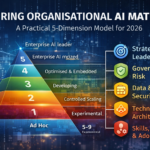
Measuring Organisational AI Maturity: A Practical Scoring Model
RAID & Governance
RAID & Governance provides structured oversight of Risks, Assumptions, Issues, and Dependencies to ensure controlled delivery. It strengthens transparency, accountability, compliance, and decision-making across complex IT, transformation, and enterprise programmes.
Key Benefits of our RAID & Governance approach
Our RAID & Governance framework ensures proactive risk control, structured decision forums, compliance alignment, stakeholder visibility, and performance tracking. It enables organisations to manage uncertainty effectively while maintaining programme control and delivery confidence.
01
Proactive Risk Management
Identify, assess, prioritise, and mitigate risks early using structured RAID logs, impact scoring, probability matrices, and mitigation planning to minimise disruption and safeguard programme outcomes.
02
Assumption & Dependency Control
Track critical assumptions and cross-functional dependencies to avoid delivery conflicts. Clear ownership and impact analysis ensure alignment across teams, vendors, and stakeholders.
03
Issue Escalation & Resolution Framework
Implement structured escalation pathways with defined thresholds, governance boards, and decision checkpoints to resolve issues quickly and prevent scope, cost, or timeline overruns.
04
Governance & Compliance Oversight
Align programmes with corporate policies, regulatory standards, audit requirements, and industry best practices through structured reporting, stage gates, and executive dashboards.
05
Stakeholder Transparency & Reporting
Provide clear, real-time reporting through dashboards, heatmaps, and steering committee updates, enabling informed decision-making at executive and operational levels.
The RAID & Governance Roadmap
Our RAID & Governance process establishes structured oversight across the programme lifecycle. It integrates risk tracking, governance forums, reporting frameworks, and performance monitoring to ensure delivery alignment, compliance, and executive visibility.
Step 01
Establish Governance Framework
Define governance structure, roles, escalation pathways, reporting cadence, and RAID templates. Set up risk scoring models, compliance checkpoints, and stakeholder communication protocols to ensure structured oversight from initiation.
Step 02
Monitor, Control & Escalate
Continuously capture and update risks, assumptions, issues, and dependencies. Conduct regular governance reviews, apply mitigation strategies, manage escalations, and maintain audit-ready documentation for transparency.
Step 03
Review, Optimise & Assure
Perform periodic assurance reviews, evaluate risk trends, refine controls, and optimise governance processes. Provide executive dashboards and lessons learned to strengthen organisational maturity and future programme success.
Frequently Asked Questions – RAID & Governance
What is RAID in project and programme management?
RAID stands for Risks, Assumptions, Issues, and Dependencies. It is a structured framework used to identify, track, and manage uncertainties that may impact delivery. By maintaining a live RAID log, organisations improve visibility, reduce surprises, and ensure proactive decision-making across complex initiatives.
Why is Governance important in IT and transformation programmes?
Governance ensures that projects align with organisational strategy, regulatory requirements, and financial controls. It provides structured oversight through stage gates, steering committees, reporting frameworks, and escalation paths, enabling informed executive decisions and controlled delivery outcomes.
How does RAID improve risk management?
RAID introduces a systematic approach to identifying and prioritising risks based on probability and impact. It ensures mitigation plans are assigned clear ownership, tracked regularly, and escalated appropriately, reducing delivery delays, budget overruns, and compliance failures.
Who is responsible for maintaining the RAID log?
Typically, the Project or Programme Manager owns the RAID log, but accountability is shared across workstream leads and stakeholders. Clear role definitions within the governance framework ensure risks, issues, and dependencies are actively managed rather than passively recorded.
How does Governance support executive decision-making?
Governance provides structured dashboards, performance metrics, risk heatmaps, and escalation summaries that give leadership clear visibility into programme health. This enables timely interventions, strategic alignment, and confident approval of funding, scope changes, and priority shifts.