

Feb 24, 2026
Measuring Organisational AI Maturity: A Practical Scoring Model
CI/CD & Release Automation
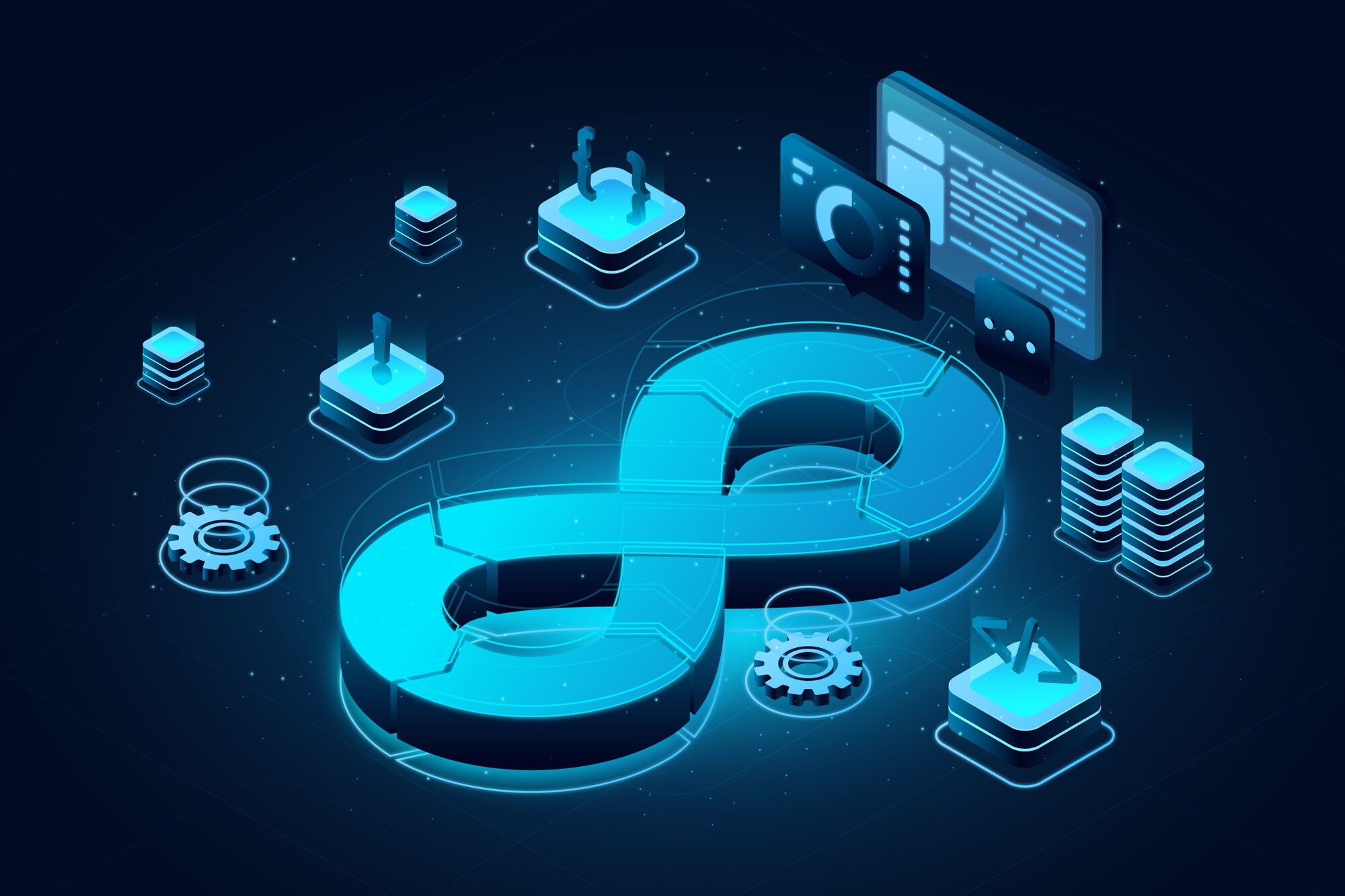
CI/CD & Release Automation enables rapid, reliable software delivery through automated build, test, and deployment pipelines. It reduces manual errors, accelerates release cycles, and ensures consistent quality across environments from development to production.
Key Benefits of our CI/CD & Release Automation approach
CI/CD & Release Automation integrates code repositories, automated testing, security scanning, artifact management, and deployment orchestration into a seamless pipeline. It supports version control, environment promotion, rollback mechanisms, and compliance tracking to deliver faster, safer, and auditable software releases.
01
Automated Build & Integration
Automatically compiles code, resolves dependencies, and integrates changes into shared repositories. Ensures early detection of defects, reduces integration conflicts, and maintains consistent build quality across development teams and environments.
02
Continuous Testing & Quality Gates
Implements automated unit, integration, regression, and performance testing within the pipeline. Quality gates enforce defined thresholds, preventing unstable or non-compliant code from progressing to staging or production environments.
03
Security & Compliance Automation
Integrates static code analysis, vulnerability scanning, dependency checks, and compliance validations into the CI/CD workflow. This ensures security is embedded early (DevSecOps) and aligns with regulatory and governance requirements.
04
Automated Deployment & Environment Promotion
Enables seamless deployment across development, staging, and production environments using Infrastructure as Code (IaC). Supports blue-green, canary, and rolling deployment strategies to minimise downtime and business disruption.
05
Monitoring, Rollback & Audit Trails
Provides real-time monitoring of releases, automated rollback capabilities in case of failure, and comprehensive audit logs. This enhances traceability, governance, and operational resilience across the software delivery lifecycle.
The CI/CD & Release Automation Roadmap
The CI/CD & Release Automation process begins with code integration into a central repository, followed by automated builds, testing, and security checks. Once validated, the application is packaged and deployed automatically across environments with monitoring and rollback controls in place.
Developers commit code changes to a version control system, triggering automated builds and test pipelines. The system performs compilation, dependency resolution, static code analysis, security scans, and automated testing to validate quality and compliance before promoting artefacts further in the pipeline.
Validated builds are packaged into deployable artefacts and pushed to staging environments. Automated deployment scripts configure infrastructure, apply environment-specific settings, and execute integration and user acceptance tests. Approval workflows or automated gates determine readiness for production deployment.
Production deployment is executed using safe release strategies such as blue-green or canary releases. Real-time monitoring tracks performance, stability, and user impact. If issues are detected, automated rollback mechanisms restore the previous stable version while logs and metrics support root cause analysis.
FAQ – CI/CD & Release Automation
What is the difference between Continuous Integration, Continuous Delivery, and Continuous Deployment?
Continuous Integration (CI) focuses on automatically building and testing code whenever changes are committed to a repository. Continuous Delivery ensures validated builds are always ready for release but may require manual approval before production deployment. Continuous Deployment goes one step further by automatically releasing validated changes to production without manual intervention, enabling rapid and frequent releases.
How does CI/CD improve software quality and reduce risk?
CI/CD reduces risk by detecting issues early through automated builds, testing, and security scans. Quality gates prevent unstable or vulnerable code from progressing through the pipeline. Automated deployments reduce human error, while monitoring and rollback mechanisms ensure that failures can be quickly identified and resolved with minimal operational impact.
Is CI/CD suitable for regulated industries or compliance-driven environments?
Yes, CI/CD can be designed to meet regulatory and audit requirements. Automated audit trails, role-based approvals, segregation of duties, and embedded security controls ensure compliance with industry standards. Controlled release workflows, traceable change records, and automated documentation help organisations demonstrate governance and accountability during audits.
How long does it take to implement a CI/CD pipeline?
Implementation timelines vary depending on system complexity, legacy constraints, and organisational maturity. A basic pipeline for a single application can be established within weeks, while enterprise-scale transformations involving multiple environments, security integration, and governance controls may take several months. A phased rollout approach is typically recommended.
What tools are typically used in CI/CD & Release Automation?
CI/CD pipelines integrate version control systems, build automation tools, testing frameworks, container platforms, and deployment orchestration tools. Common components include source repositories, automated testing suites, infrastructure as code, monitoring platforms, and release management dashboards. Tool selection depends on technology stack, cloud platform, security needs, and organisational standards.