


Feb 24, 2026
Measuring Organisational AI Maturity: A Practical Scoring Model
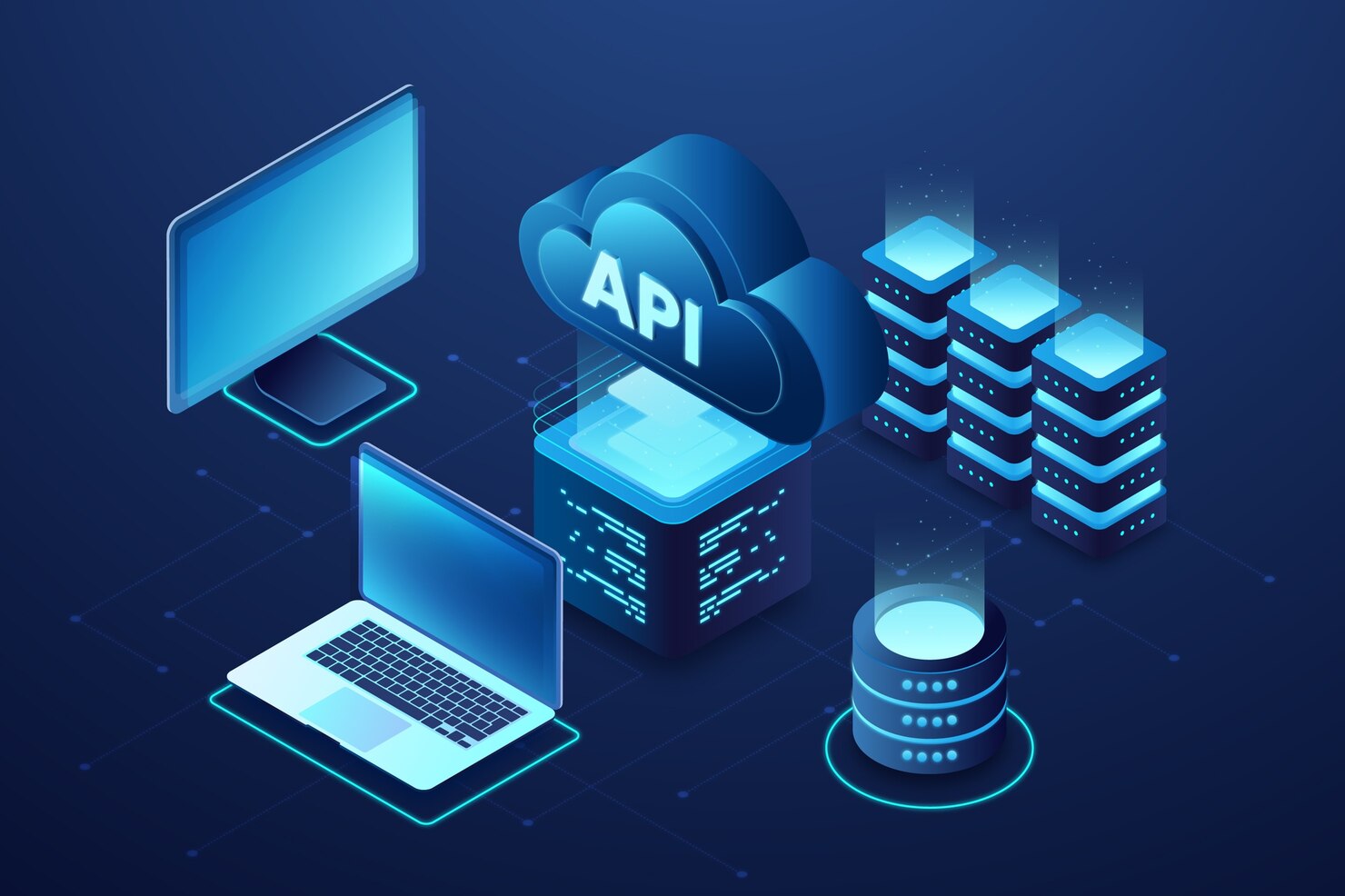
API & Microservices
API & Microservices enable scalable digital platforms by breaking systems into reusable services connected via secure APIs. This accelerates delivery, improves resilience, and supports integration across cloud, data, and legacy applications.
Key Benefits of our API & Microservices approach
API & Microservices architectures create modular, independently deployable services exposed through well-governed APIs. They improve agility, reliability, and integration, enabling faster releases, smoother partner connectivity, and secure access to data and capabilities across teams.
01
Service Decoupling & Modularity
Break monolithic applications into smaller services aligned to business domains, enabling independent change, easier maintenance, and faster feature delivery without impacting the entire platform.
02
API-First Integration & Reusability
Design APIs as products with clear contracts, versioning, and documentation, enabling internal teams and partners to reuse capabilities and integrate consistently across channels and systems.
03
Scalability & Performance Optimisation
Scale only the services under load using container orchestration and autoscaling, improving cost efficiency and performance while reducing bottlenecks and avoiding over-provisioning.
04
Resilience, Fault Isolation & Observability
Use patterns like timeouts, retries, circuit breakers, and distributed tracing to isolate failures, improve uptime, and quickly diagnose issues across complex service interactions.
05
Security, Governance & Compliance by Design
Implement authentication/authorisation (OAuth2/OIDC), rate limiting, encryption, and policy controls with audit trails, ensuring APIs meet organisational governance and regulated-industry requirements.
The API & Microservices Roadmap
The API & Microservices delivery process typically starts with domain analysis and target architecture, then builds secure API contracts and microservices using automated CI/CD and container platforms. It finishes with strong observability, governance, and continuous improvement.
Assess current systems, define domain boundaries, and create a target blueprint covering API standards, service ownership, data strategy, and integration patterns to ensure long-term scalability and maintainability.
Develop microservices and APIs with contract-first design, implement security (OAuth2/OIDC, secrets, encryption), and establish CI/CD pipelines with automated testing, containerisation, and repeatable deployments.
Roll out observability (logs, metrics, traces), set SLOs and alerting, apply governance (versioning, throttling, lifecycle management), and continuously tune performance, reliability, and cost as usage grows.
FAQ – API & Microservices
What is the difference between APIs and Microservices?
APIs are structured interfaces that allow systems, applications, or services to communicate securely and consistently. Microservices are an architectural style where applications are built as small, independently deployable services aligned to business domains. APIs often expose microservices externally or internally, acting as the communication layer that enables integration and reuse.
When should an organisation move from monolith to microservices?
Organisations should consider microservices when systems become difficult to scale, release cycles are slow, or teams struggle with tightly coupled dependencies. If different business domains require independent scaling or rapid innovation, microservices improve agility. However, smaller systems with limited complexity may not benefit from the added operational overhead.
How do you ensure security in API & Microservices architectures?
Security is implemented through authentication and authorisation frameworks such as OAuth2 and OIDC, API gateways for rate limiting and traffic control, encryption in transit and at rest, and zero-trust network principles. Proper logging, monitoring, and policy governance ensure compliance, especially for regulated industries with strict data protection requirements.
What are the biggest challenges in adopting microservices?
Common challenges include managing distributed system complexity, ensuring data consistency, handling service communication latency, and maintaining observability across multiple services. Strong DevOps practices, container orchestration, automated testing, and clear service ownership models are critical to mitigating operational risks.
How do APIs and microservices support digital transformation?
They enable faster innovation by allowing teams to develop and deploy features independently, integrate with partners quickly, and scale services dynamically. This modular approach improves resilience, reduces downtime risk, and supports cloud-native strategies, making organisations more adaptable to market and regulatory change.