

Mar 06, 2026
Impact of AI in Iran’s War with the United States & Israel in 2026 — Lessons for Organisations Implementing Artificial Intelligence
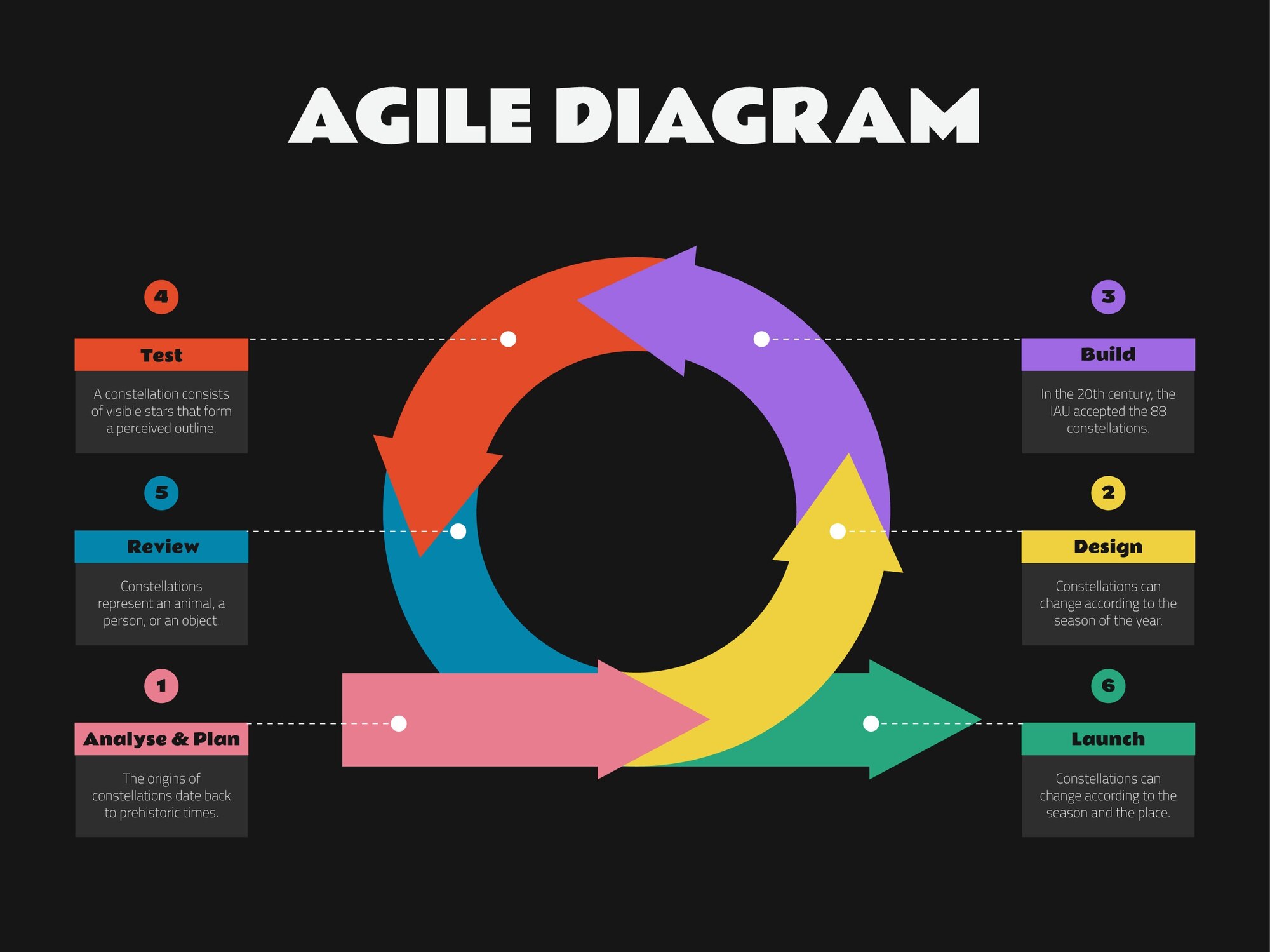
Agile / Hybrid Delivery
Agile and Hybrid delivery approaches combine iterative development with structured governance to accelerate value, manage risk, and enhance stakeholder collaboration. Ideal for digital, cloud, and AI-driven transformation programmes.
Key Benefits of our Agile / Hybrid Delivery approach
Agile and Hybrid delivery balance flexibility with control. Agile enables rapid iteration, continuous feedback, and adaptive planning, while Hybrid integrates stage-gate governance, compliance, and documentation to suit regulated or enterprise environments. This ensures speed without compromising oversight, risk control, or strategic alignment.
01
Iterative Value Delivery
Agile sprints enable incremental releases, allowing teams to deliver usable features quickly. This ensures early business value, rapid feedback loops, and continuous improvement throughout the project lifecycle.
02
Governance & Stage Gates (Hybrid)
Hybrid delivery incorporates structured governance checkpoints, approvals, and documentation. This ensures regulatory compliance, financial oversight, and executive visibility while retaining Agile flexibility.
03
Governance & Control
Backlogs are continuously refined based on business priorities, market changes, and stakeholder feedback. This ensures resources focus on high-value features while reducing wasted effort.
04
Cross-Functional Collaboration
Agile promotes close collaboration between product owners, developers, operations, and stakeholders. Hybrid models extend this with formal reporting structures and steering committees.
05
Risk-Driven Delivery Approach
High-risk or uncertain components are prioritised early. Hybrid frameworks combine Agile experimentation with structured risk logs, RAID management, and mitigation tracking.
The Agile / Hybrid Delivery Roadmap
How we take you from concept to completion.
Define business objectives, scope boundaries, success metrics, and compliance requirements. Establish governance structure, stakeholder roles, backlog priorities, and risk framework to balance flexibility with control.
Execute delivery in structured sprints with regular demos, retrospectives, and backlog refinement. Integrate testing, user feedback, and performance monitoring to ensure incremental value and solution quality.
Conduct governance reviews, deployment planning, and change management activities. Monitor adoption metrics, optimise performance, and transition into operational support while capturing lessons learned for future iterations.
Agile & Hybrid Delivery – Frequently Asked Questions
What is the difference between Agile and Hybrid delivery?
Agile delivery focuses on iterative development, rapid feedback, and flexible scope management, making it ideal for evolving requirements. Hybrid delivery blends Agile execution with structured governance, stage gates, and formal reporting, which is particularly valuable in regulated, enterprise, or multi-stakeholder environments.
When should an organisation choose a Hybrid approach over pure Agile?
A Hybrid model is most suitable when projects require strong financial control, regulatory compliance, or executive oversight alongside flexibility. It works well in cloud migrations, ERP implementations, and transformation programmes where governance, audit trails, and stakeholder reporting are critical.
How does Agile or Hybrid delivery improve risk management?
Agile mitigates risk by delivering increments early, validating assumptions, and adjusting quickly based on feedback. Hybrid enhances this by incorporating structured RAID logs, formal risk reviews, and governance checkpoints, ensuring risks are tracked, escalated, and managed systematically.
How does Agile or Hybrid delivery align with PMO governance?
Agile can integrate with PMO frameworks through standardised reporting, sprint metrics, and portfolio dashboards. Hybrid delivery aligns even more closely by embedding stage gates, financial tracking, milestone reviews, and KPI measurement within a structured governance model.
How do you measure success in Agile or Hybrid delivery?
Success is measured through business value delivered, stakeholder satisfaction, velocity trends, budget adherence, risk reduction, and adoption metrics. Hybrid approaches additionally track compliance, audit readiness, and alignment to strategic objectives through formal performance reviews.